

This document is a part of the Big Data Primer containing 7 chapters providing Overview of Big Data, its dimensions, ecosystem, applications, challenges & concerns, sentiment analysis and Gamification.
In the fourth chapter titled "Big Data Challenges and Concerns " following content is discussed -
Can we trust Big Data?
When correlations are good and when not?
Big Data Privacy Concerns
Facebook & Big Data
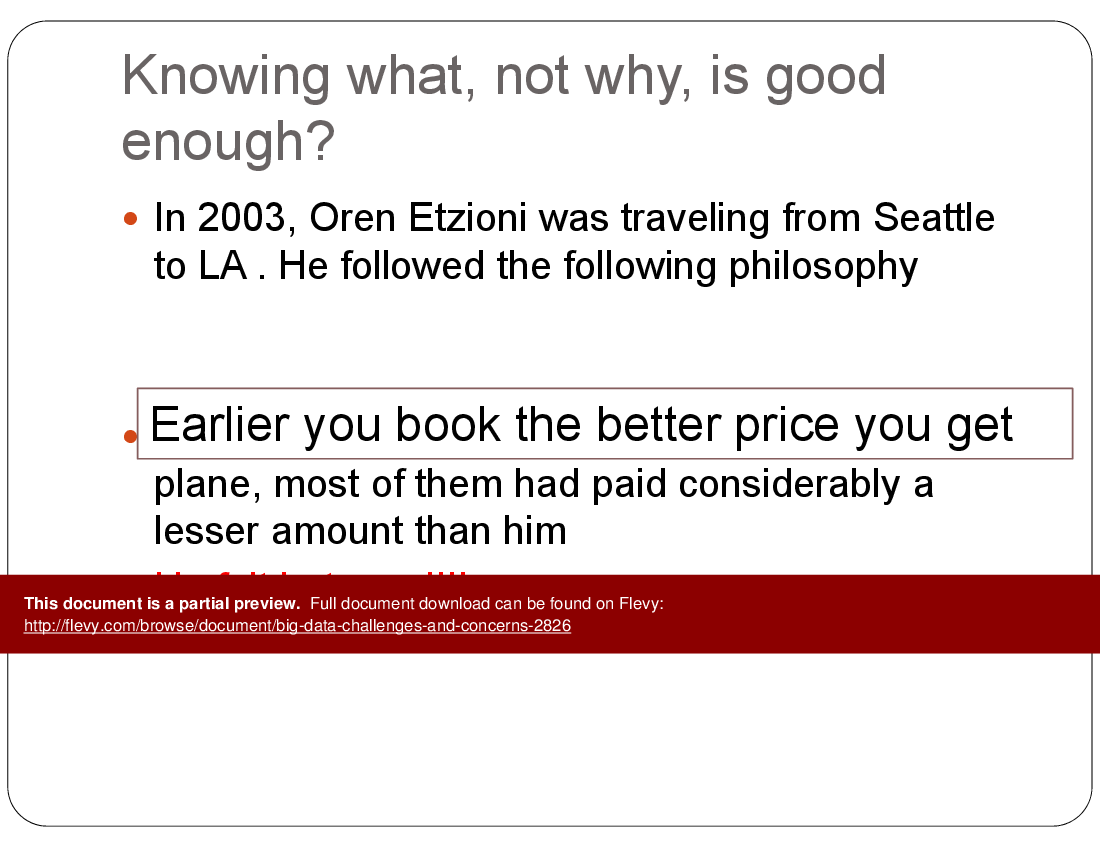
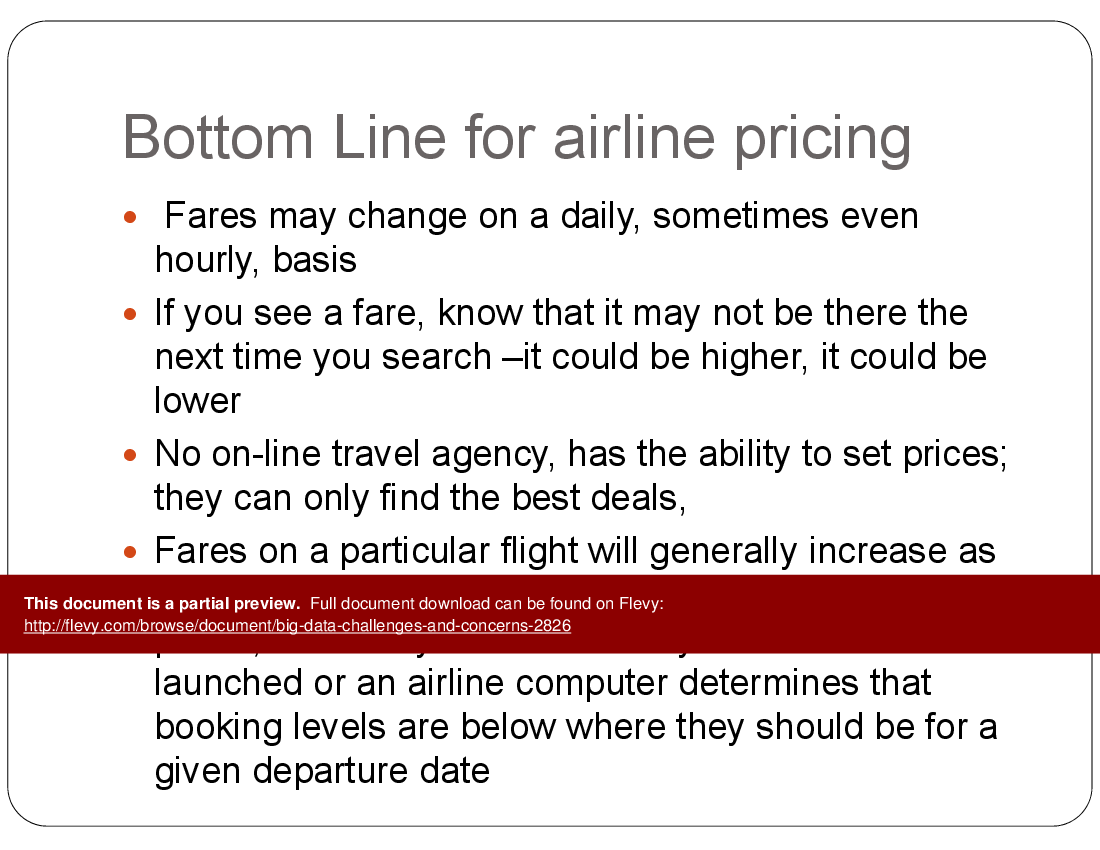
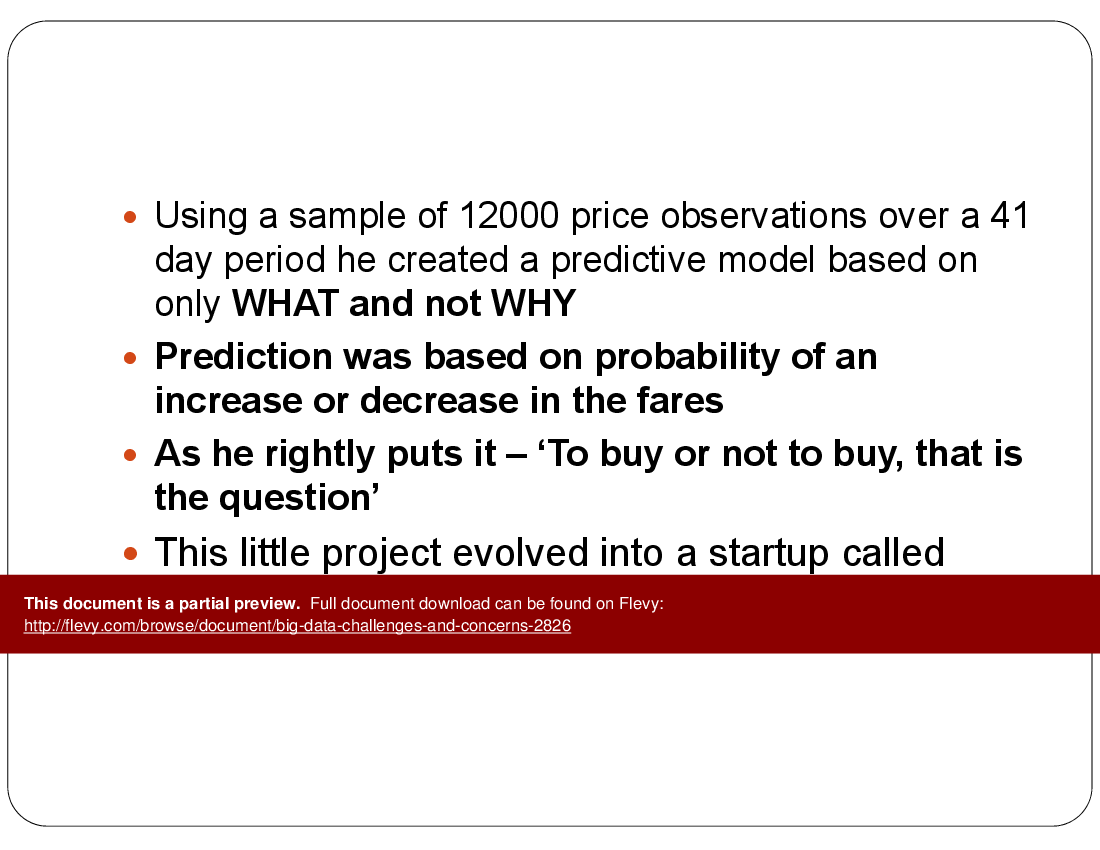
This presentation delves into the intricacies of airline pricing, highlighting the volatility and unpredictability of fare changes. It underscores the importance of understanding the dynamics of fare fluctuations and the limitations of online travel agencies in setting prices. The PPT also explores a predictive model based on extensive price observations, emphasizing the practical application of big data in real-world scenarios.
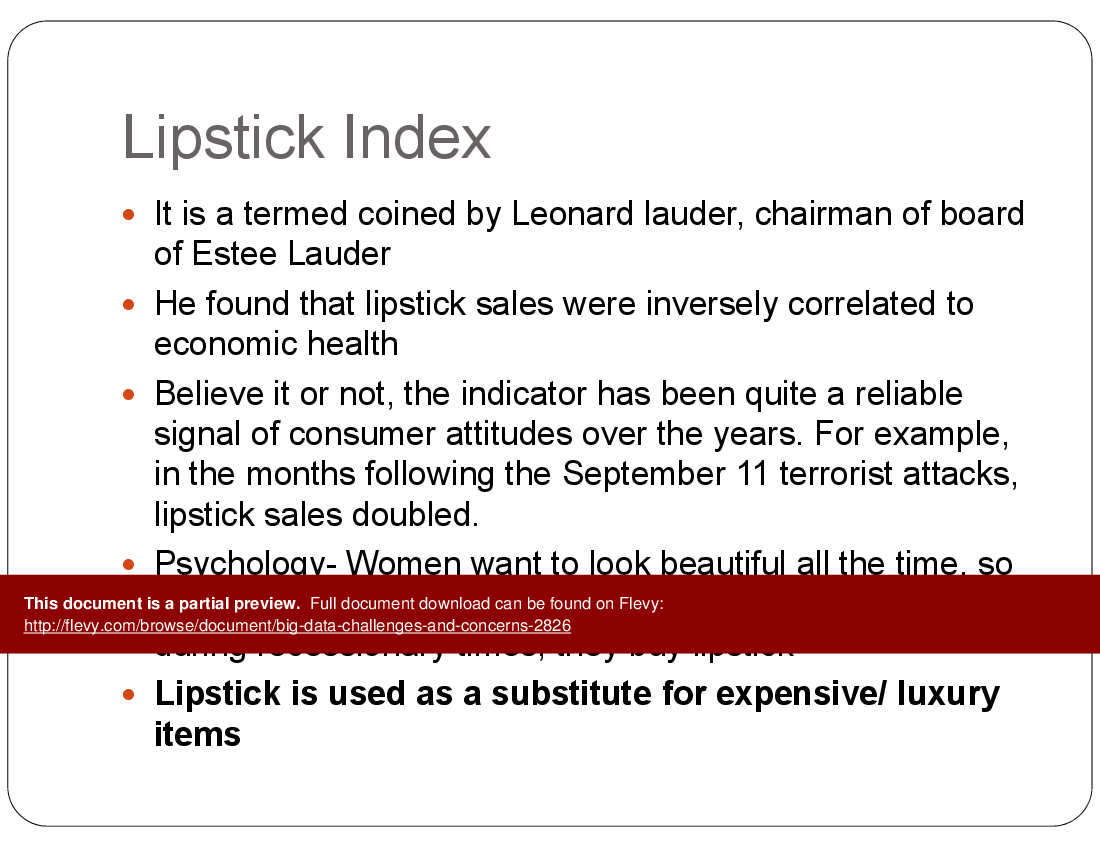
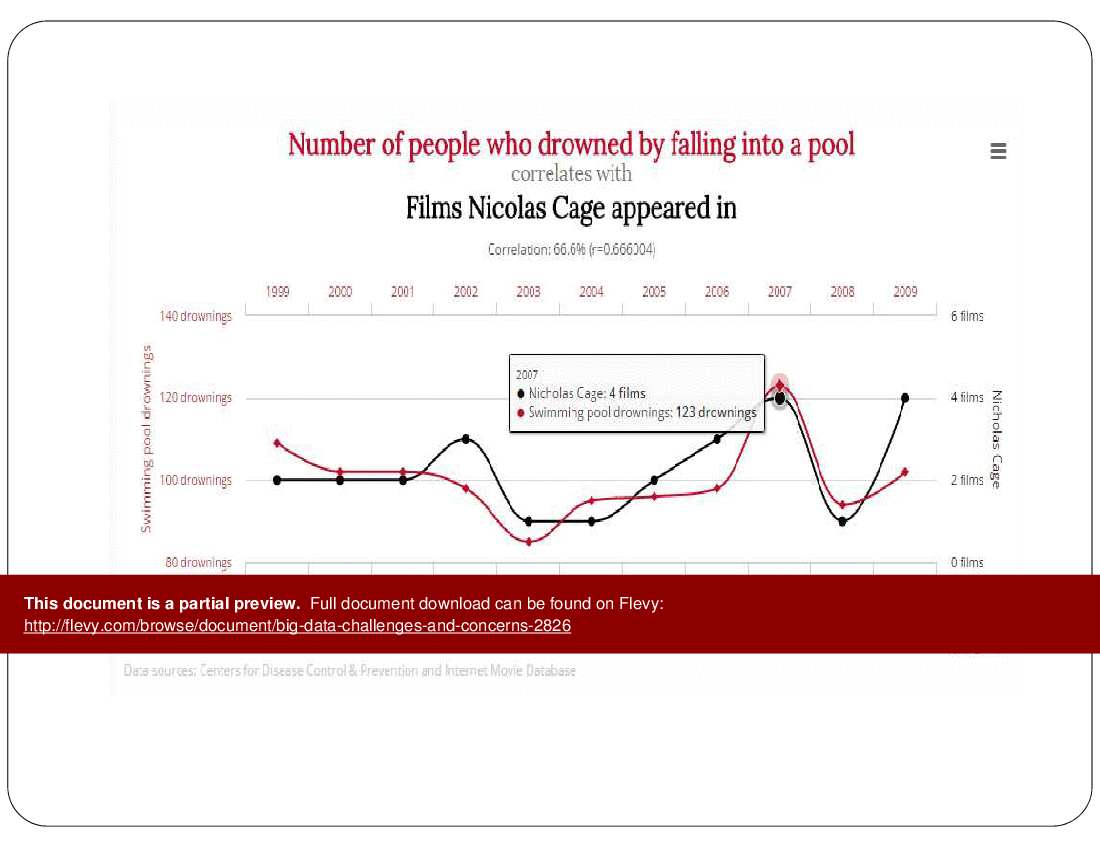
The Lipstick Index is another fascinating topic covered, illustrating how seemingly unrelated data points can serve as economic indicators. This section provides insights into consumer behavior and economic health, using historical data to demonstrate the reliability of unconventional indicators. The discussion on correlations, such as the number of drownings and film appearances, challenges the reader to critically assess the validity and relevance of data correlations.
Privacy concerns are thoroughly addressed, with a focus on the types of protected information and the principles of consent and access. The document discusses the implications of selling data to advertisers and the ethical considerations surrounding facial recognition technology. It also examines the legal landscape, questioning the legality of data usage practices by major corporations. This comprehensive analysis equips executives with the knowledge to navigate the complex world of big data responsibly.
Got a question about the product? Email us at support@flevy.com or ask the author directly by using the "Ask the Author a Question" form. If you cannot view the preview above this document description, go here to view the large preview instead.
Executive Summary
The "Big Data Challenges and Concerns" presentation provides a comprehensive exploration of critical issues surrounding big data analytics, focusing on the implications of privacy, security, and the reliability of data correlations. This expert presentation equips corporate executives, integration leaders, and consultants with the knowledge to navigate the complexities of big data, enabling informed decision-making and strategic planning. By understanding when to act on correlations and the associated risks, users can better leverage big data for operational success while addressing ethical considerations.
Who This Is For and When to Use
• Data Analysts and Scientists responsible for interpreting big data insights
• IT Security Professionals focused on safeguarding data integrity
• Compliance Officers ensuring adherence to data protection regulations
• Business Executives making strategic decisions based on data analytics
Best-fit moments to use this deck:
• During strategic planning sessions to address data-driven decision-making
• In workshops focused on data privacy and compliance regulations
• When assessing the risks and benefits of implementing big data solutions
Learning Objectives
• Define the key challenges associated with big data analytics
• Identify privacy concerns and regulatory requirements in data handling
• Analyze the implications of data correlations and causality
• Establish best practices for data security and integrity
• Evaluate the ethical considerations surrounding data usage
• Develop strategies to mitigate risks associated with big data implementation
Table of Contents
• Introduction to Big Data Challenges (page 1)
• Correlations in Big Data (page 2)
• Privacy Concerns in Big Data (page 29)
• Case Studies: Facebook and Big Data (page 42)
• Big Data Privacy Landscape (page 30)
• Types of Protected Information (page 31)
• Global Privacy Principles (page 32)
• Consumer Privacy Bill of Rights (page 40)
Primary Topics Covered
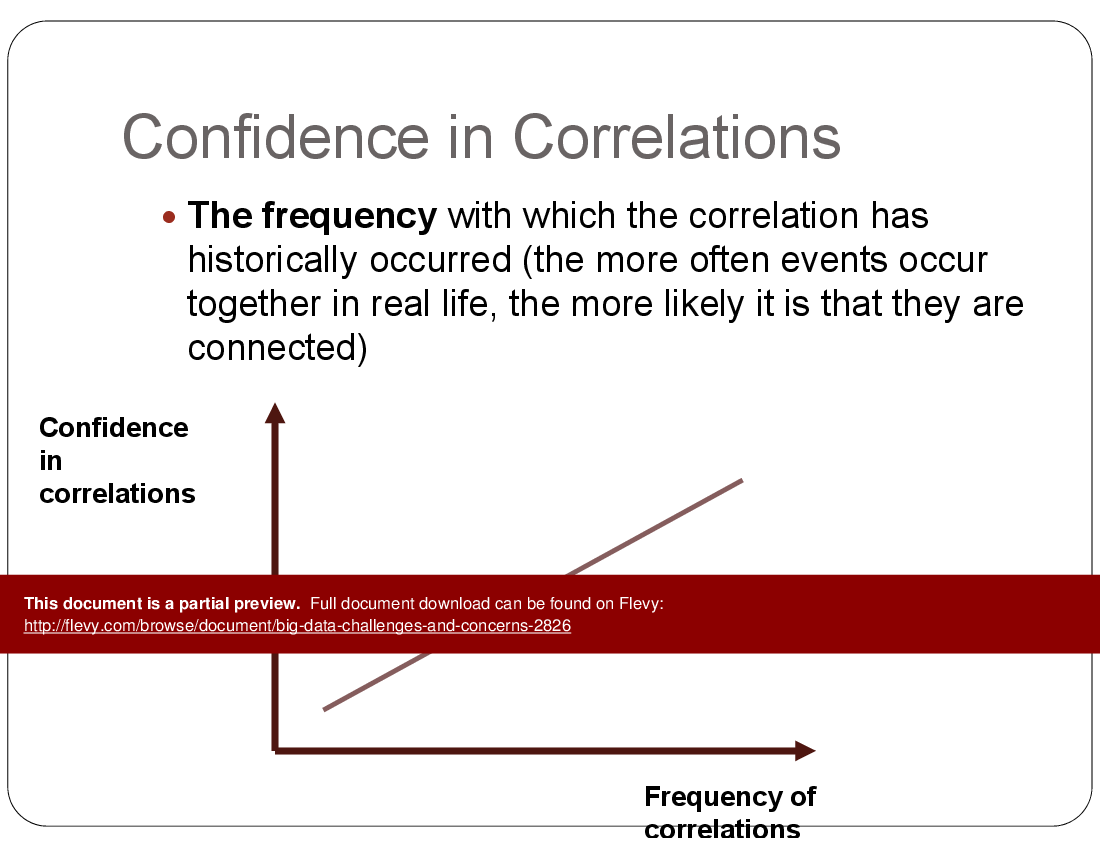
• Correlations in Big Data - Understanding when correlations are sufficient and when causality must be established is crucial for effective decision-making.
• Privacy Concerns - Addressing the ethical implications and regulatory requirements surrounding data privacy is essential for maintaining consumer trust.
• Data Security - Implementing robust security measures to protect sensitive information from unauthorized access is a fundamental challenge in big data analytics.
• Facebook's Data Practices - Analyzing Facebook's approach to data collection and its implications for user privacy provides insights into the broader landscape of big data.
• Global Privacy Principles - Familiarity with international privacy standards helps organizations navigate compliance challenges in data handling.
• Consumer Rights - Understanding the Consumer Privacy Bill of Rights is vital for organizations to align their data practices with consumer expectations.
Deliverables, Templates, and Tools
• Data privacy compliance checklist template
• Risk assessment framework for big data initiatives
• Case study analysis template for evaluating data practices
• Guidelines for establishing data governance policies
• Best practices for securing personally identifiable information (PII)
• Framework for evaluating the ethical implications of data usage
Slide Highlights
• Overview of the correlation vs. causation debate in big data
• Visual representation of the Big Data Privacy Landscape
• Case study analysis of Facebook's data practices and privacy concerns
• Key takeaways from the Consumer Privacy Bill of Rights
• Graphical depiction of types of protected information
Potential Workshop Agenda
Understanding Big Data Challenges (90 minutes)
• Discuss the implications of big data on business strategy
• Identify key privacy concerns and regulatory requirements
Data Security Best Practices (60 minutes)
• Review security measures for protecting sensitive information
• Develop a risk assessment framework for big data initiatives
Ethical Considerations in Data Usage (60 minutes)
• Explore the ethical implications of data collection and usage
• Establish guidelines for responsible data practices
Customization Guidance
• Tailor the privacy compliance checklist to reflect specific regulatory requirements relevant to your industry
• Adjust case study examples to align with your organization’s data practices
• Incorporate company-specific data governance policies into the framework provided
Secondary Topics Covered
• The role of data analytics in decision-making
• Challenges in data integration and management
• Emerging trends in data privacy legislation
• The impact of big data on consumer behavior
Topic FAQ
Document FAQ
These are questions addressed within this presentation.
What are the primary challenges associated with big data?
The main challenges include data privacy concerns, security risks, and the complexities of interpreting correlations versus causations.
How can organizations ensure compliance with data privacy regulations?
Organizations can implement robust data governance policies, conduct regular audits, and stay informed about evolving regulations.
What is the significance of understanding correlations in big data?
Understanding correlations helps organizations make informed decisions,, but it is crucial to establish causality to avoid misinterpretation of data.
How does Facebook handle user data and privacy?
Facebook collects detailed user data for targeted advertising, raising significant privacy concerns regarding user consent and data security.
What are the global privacy principles organizations should follow?
Key principles include transparency, choice, consent, security, data integrity, access, and accountability in data handling practices.
What is the Consumer Privacy Bill of Rights?
This bill outlines the rights consumers have regarding their personal data, including control over how it is used and the right to secure handling of their information.
How can organizations mitigate risks associated with big data?
Organizations can conduct thorough risk assessments, implement strong data security measures, and establish clear data governance policies.
What types of information are considered protected?
Protected information includes personally identifiable information (PII), sensitive information, and any other data that could harm an individual if disclosed.
Glossary
• Big Data - Large and complex data sets that require advanced methods for processing and analysis.
• Correlation - A statistical relationship between 2 variables, indicating how one may change in relation to another.
• Causation - A relationship where one event directly affects another.
• Privacy - The right of individuals to control their personal information and how it is used.
• Data Governance - The framework for managing data availability, usability, integrity, and security.
• Personally Identifiable Information (PII) - Any data that can be used to identify an individual.
• Consumer Privacy Bill of Rights - A proposed framework outlining consumer rights regarding personal data.
• Data Security - Measures taken to protect digital information from unauthorized access or corruption.
• Ethics in Data Usage - The moral principles guiding how data is collected, analyzed, and utilized.
• Data Analytics - The process of examining data sets to draw conclusions about the information they contain.
• Regulatory Compliance - Adherence to laws and regulations governing data protection and privacy.
• Data Integrity - The accuracy and consistency of data over its lifecycle.
Source: Best Practices in Big Data PowerPoint Slides: Big Data Challenges and Concerns PowerPoint (PPTX) Presentation Slide Deck, Arbalest Partners
This document is available as part of the following discounted bundle(s):

Save %!
Big Data Primer (Full)
This bundle contains 7 total documents. See all the documents to the right.
Save %!
Big Data Primer (Intro)
This bundle contains 4 total documents. See all the documents to the right.
|
Download our FREE Digital Transformation Templates
Download our free compilation of 50+ Digital Transformation slides and templates. DX concepts covered include Digital Leadership, Digital Maturity, Digital Value Chain, Customer Experience, Customer Journey, RPA, etc. |









